2.1 / RF sensing
Frequency-agile RF sensors.
Chip-scale electro-optic microwave sensors from kHz to tens of GHz.
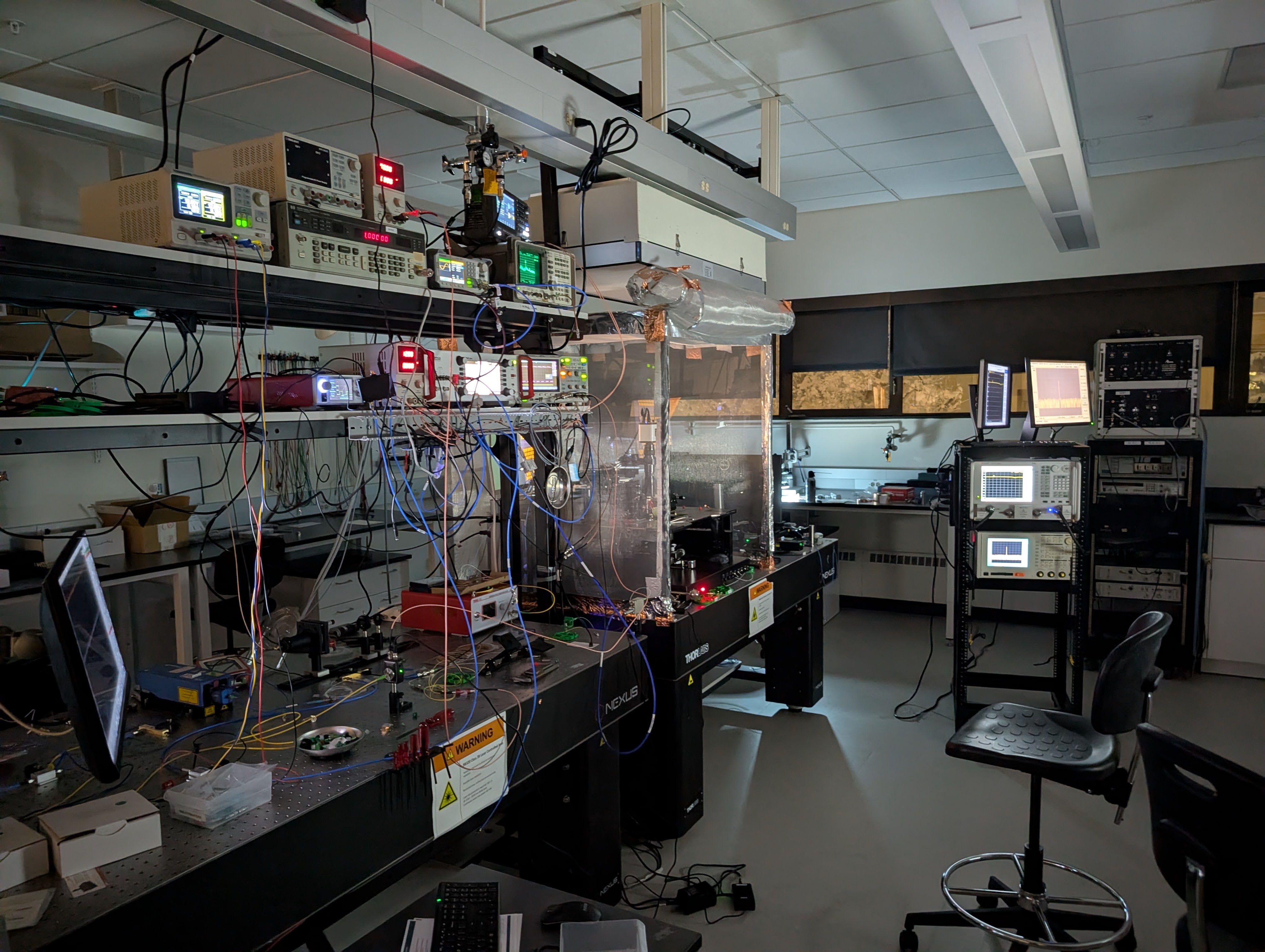
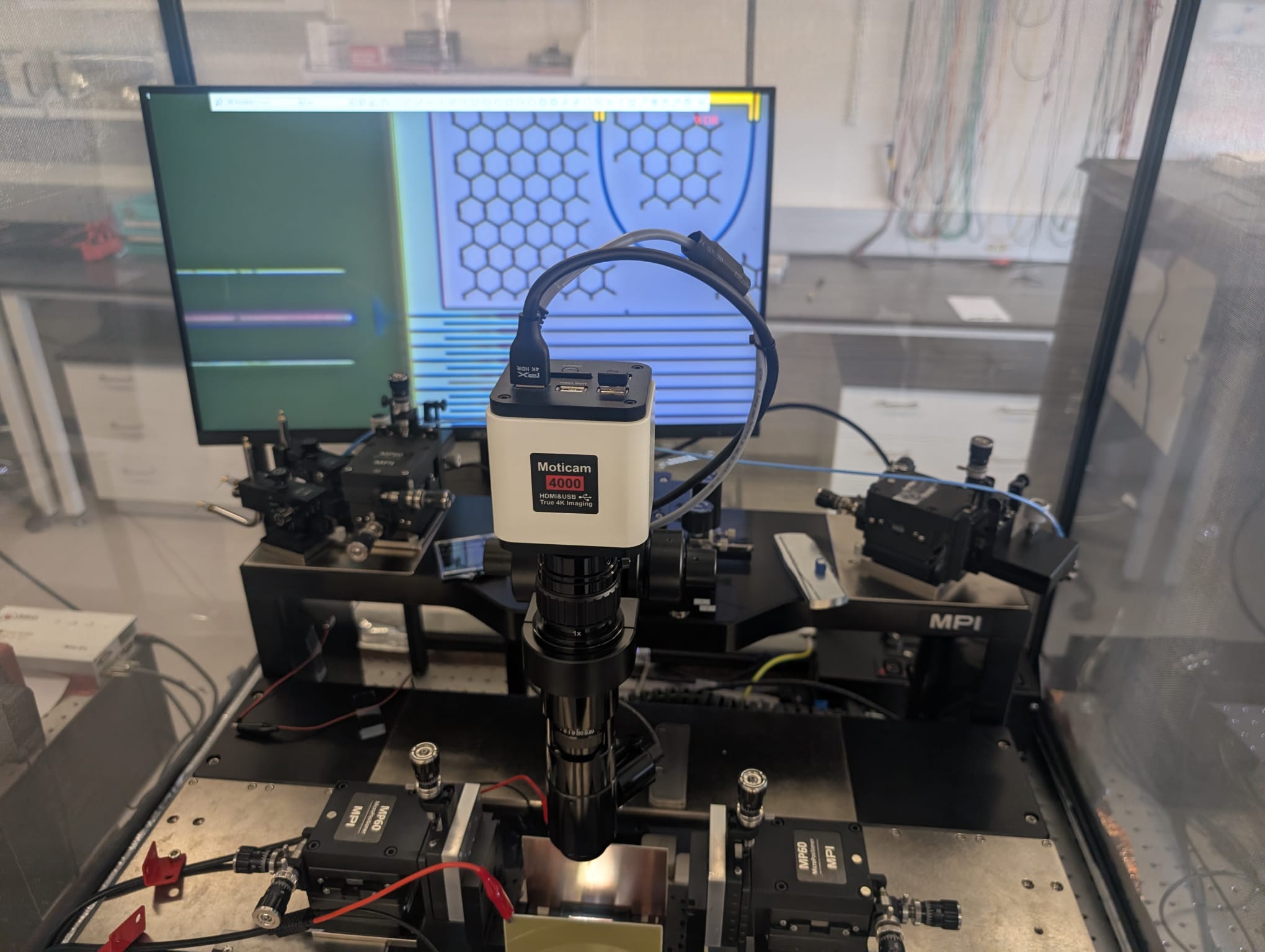
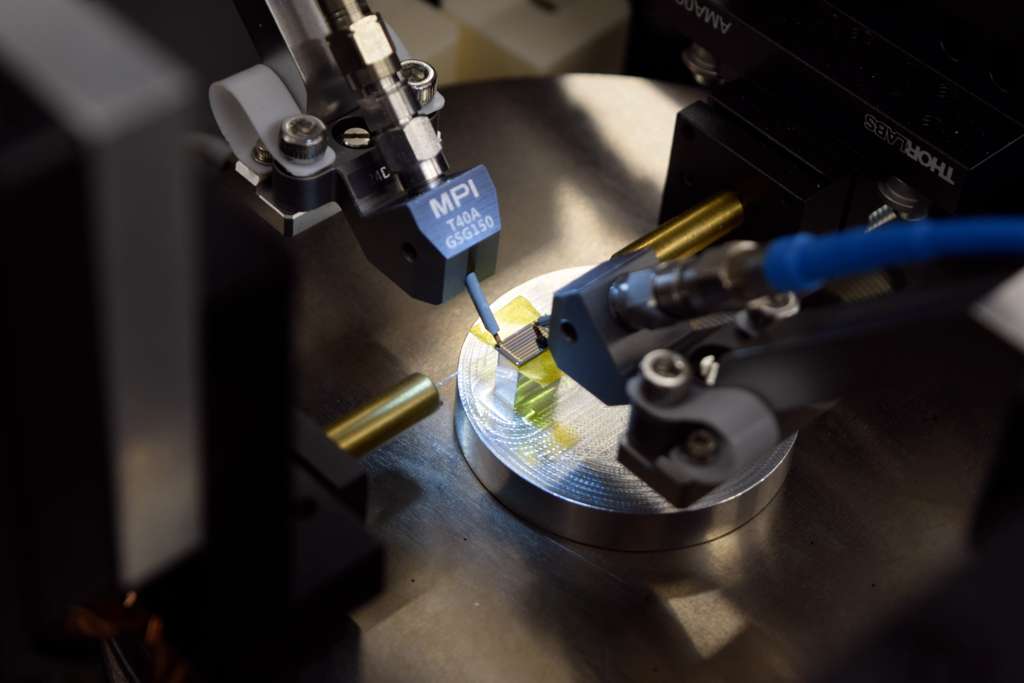
We are microwave engineers developing low-noise electromagnetic sensors for quantum computing, Earth observation, remote sensing, and Positioning, Navigation and Timing (PNT). We co-design microwave and photonic integrated circuits to push sensors beyond the limits of conventional analog electronics.
Chip-scale electro-optic microwave sensors from kHz to tens of GHz.
Photonic integrated circuits for heterogeneous quantum computing networks.
Synchronizing remote optical atomic clocks for Positioning, Navigation and Timing.
Strontium titanate as a nonlinear medium to engineer microwave parametric processes, avoiding the magnetic sensitivity issues and frequency limitations of Josephson-junction amplifiers used in most superconducting-qubit platforms today.
General-purpose RF-photonic dual comb generators for LIDAR and gas spectroscopy.
Correlation radiometry for 3D spatial focusing and heterodyne architectures for interference cancellation, for non-invasive core body temperature measurement.











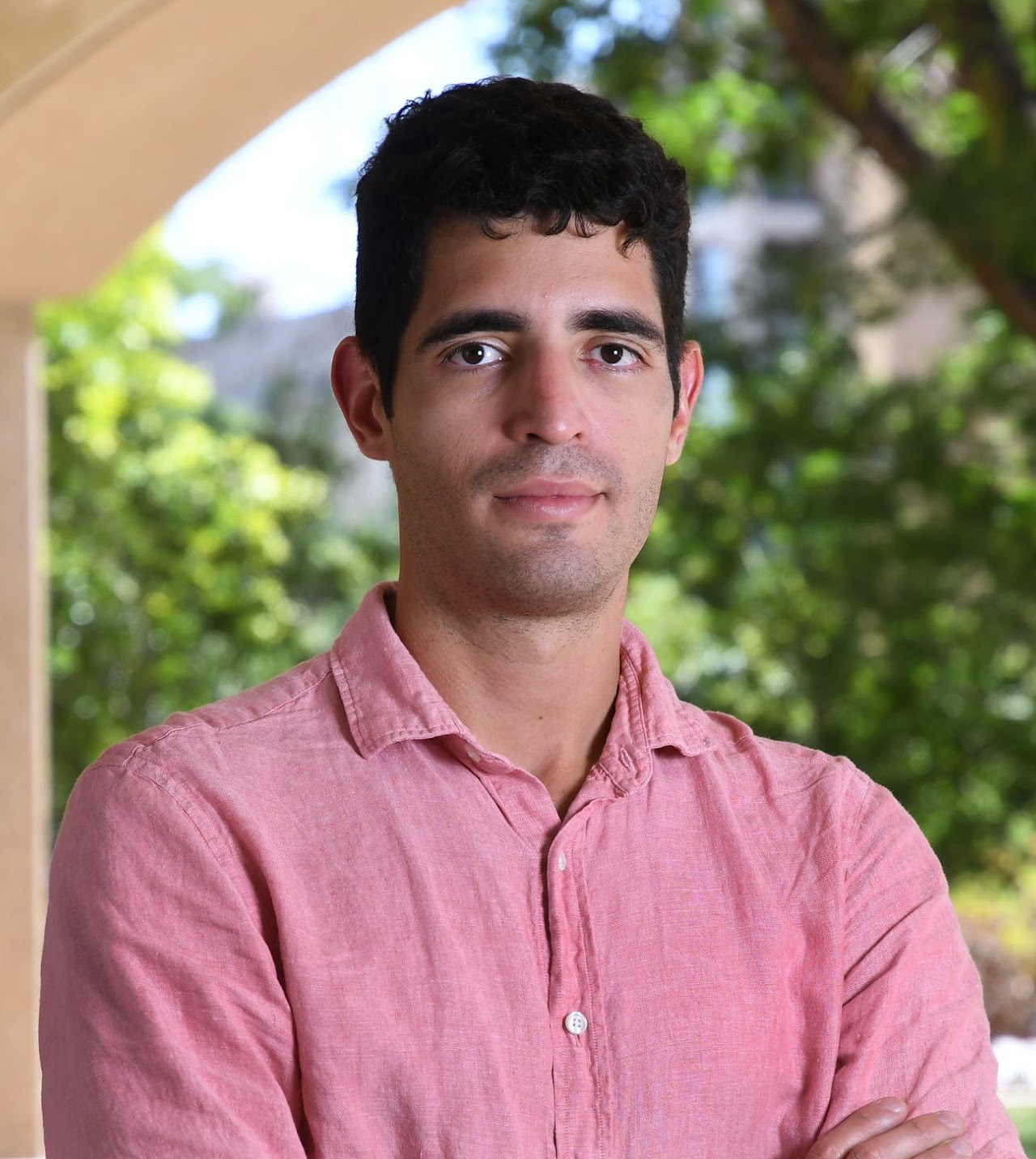
Gabriel Santamaria-Botello is an Assistant Professor in the Electrical Engineering Department at Colorado School of Mines, where his group designs microwave and photonic integrated circuits for RF receivers, transceivers, and sensors. Prior to joining Mines in 2023, he was a Research Associate at the University of Colorado Boulder in the Microwave and RF Research Group. In 2024 he was a Visiting Professor at EPFL's Laboratory of Photonics and Quantum Measurements. He earned his PhD cum laude in 2021 from Universidad Carlos III de Madrid, did a research stay at the University of Otago, and received his B.Sc. in Electrical Engineering from the University of Carabobo. His research spans microwave photonics, quantum sensing, superconducting circuits, remote sensing, radio astronomy and computational electromagnetics.
In collaboration with CU Boulder and NIST, published in the Journal of Lightwave Technology.
Demonstration of ultra-low-noise millimeter-wave detection in a fully photonic lithium tantalate chip.
Together with EPFL, we were selected as one of the 19 teams to develop heterogeneous quantum architectures.
We were awarded the DARPA MTO PitchDay Award, to investigate RF-photonic sensors as part of the technical area "Commercially Catalyzed Defense Deployment". We were recently awarded a third phase to continue our research on photonic-enabled RF sensors.
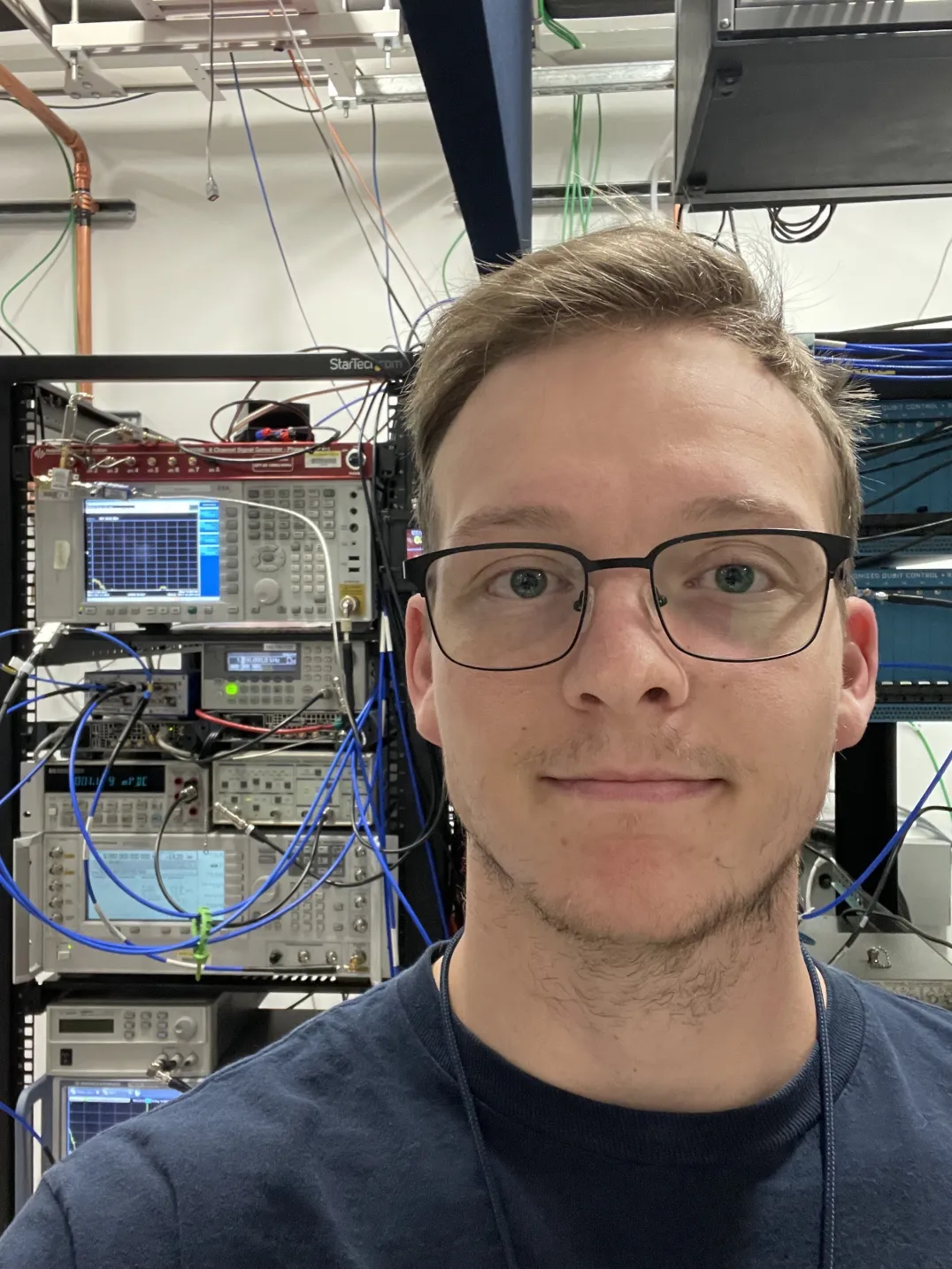
Co-Founded by PhD student Connor Denney, Bifrost Electronics is developing a parametric amplifier technology initiated in our lab with the support of an Advanced Industries Grant.
With collaborators at EPFL, we demonstrated record-span electro-optic frequency comb generation in a fully photonic chip.



We are looking for a postdoctoral researcher to work on microwave-to-optical quantum transduction for next-generation quantum computing systems. Backgrounds in microwave engineering, superconducting circuits, photonics, or quantum optics are encouraged to apply.